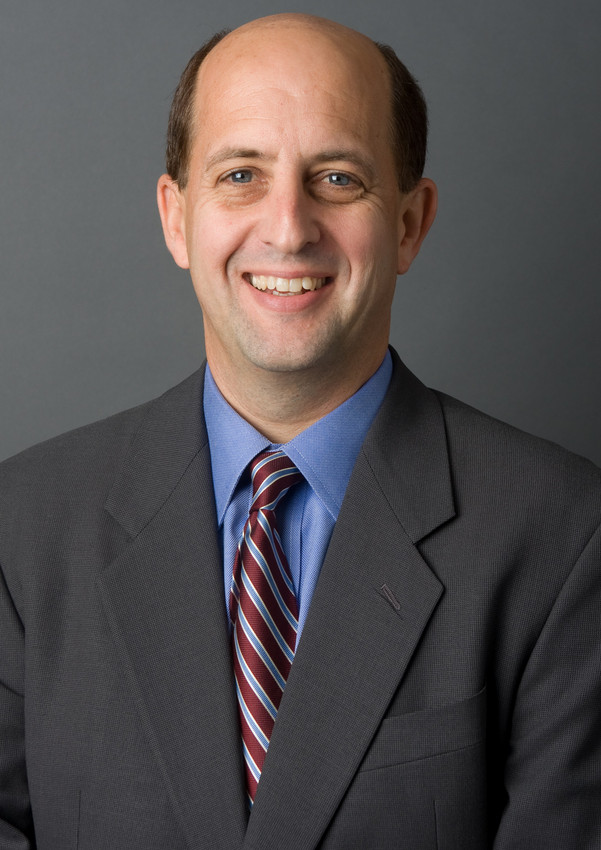

Jeff recently shared some of his insight on his college hoops role in a Front & Center podcast on ESPN Front Row.
Q. What past experiences helped you prepare for this college basketball role?
I think my three years in college coaching helped me a little bit more than just doing an occasional college game because the players turn over so much from year to year. I do feel comfortable calling college basketball but there are differences in rules and, obviously, (some of) the players and the coaches stay in one place often times and are fixtures there. It’s a little different, but it’s still a great game and I enjoy doing it a lot.
Q. How does your preparation and approach to the college game compare with an NBA broadcast?
JVG – The NBA games, I have a much better feel for the individual players…strengths, weaknesses, and I’ve followed their career ever since they were in college. Doing a college game, you have less body of work to really analyze and study. I have to really get familiar with their backgrounds, try to watch practices or the early games that I’ve seen…study who they are as players and what they do best.
Q. What differences have you noticed in the arena atmosphere comparing NBA and NCAA?
I was at Duke/Davidson two years ago when Stephen Curry brought a very, very fine Davidson team into Cameron Indoor Stadium and it was, to date, the most electric environment I’ve ever been in. They certainly have a student body that is all into basketball. It’s a small environment…because of the intimate setting, you can really develop a home court advantage and Duke certainly has that.
Q: How important is it to be joined by your NBA play-by-play commentator Mike Breen?
Mike’s like a great point guard. He can set basically anyone up in broadcasting and make them look really good. When you have as much talent as Mike has, and you put in the amount of work that Mike puts into every broadcast, you see the greatness that he brings on a consistent basis. I’m really fortunate, being sort of a novice at broadcasting, to be along such an experienced, professional, thoroughly prepared person like Mike.
Q: The two of you go back many years…how did that relationship help your transition into broadcasting?
When you are trying to do something new and different, and you are very inexperienced, the closer you are in your personal relationship with somebody the more trust you initially have. Certainly, I trusted Mike implicitly to tell me the truth and what I had to get better at and what I shouldn’t change. He was very forthcoming with what I needed to do better to become competent in broadcasting. Because we’ve been together so many years, when he was at the Knicks and he was our broadcaster there – both TV and radio – I knew that he was a good man and that he was very good at his job.
Q: How would you describe your broadcasting style? Some would say they didn’t see your full personality prior to your TV role…would you agree?
When you are doing a job, I don’t know if it’s important for the people watching to see your personality. I don’t think that has any bearing on the results. Certainly, depending on the job you have, and the responsibilities you have, your personality is going to be different. So when I was an assistant coach, my personality was a little bit different from my head coaching personality and my broadcasting personality. In the broadcasting realm, because you are trying to inform and just have a good time, and you are not as tied into the results of any one game like you are when you are coaching, I think you are able to be a little bit looser and freer with the things that you discuss and think about during a broadcast.
-
-
-

-
-